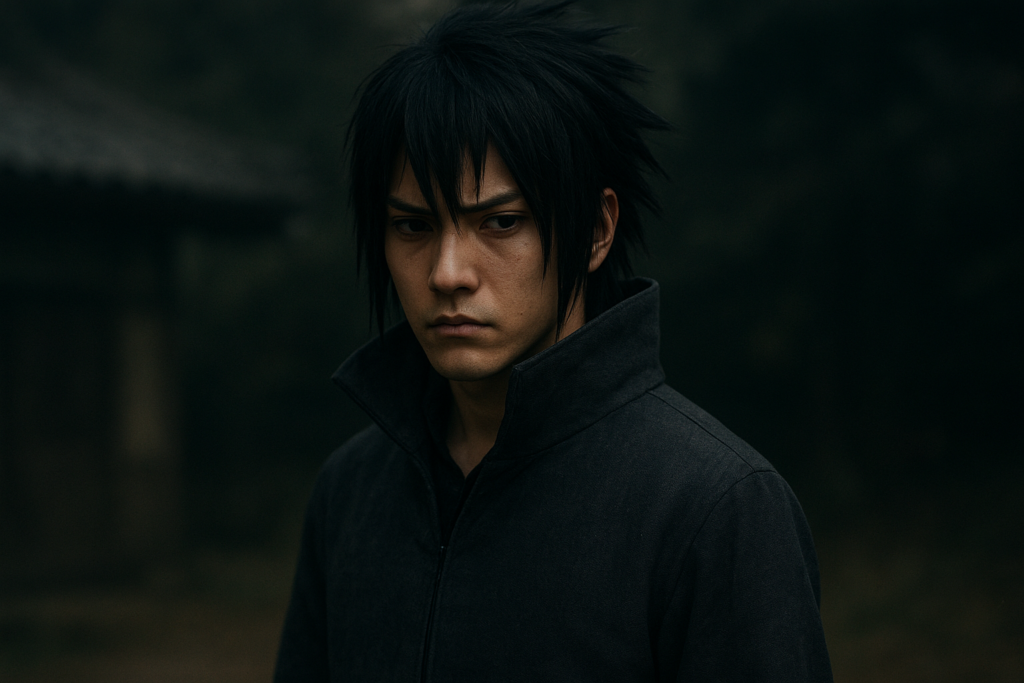
Within the vast landscape of fictional mentors, few characters possess the layered complexity and quiet gravitas of Kakashi Hatake. More than just a skilled instructor, Kakashi serves as a psychological anchor in his world, a figure whose calm exterior masks a profound internal history. His appeal lies not in flamboyant power displays, but in the subtle contradictions of his personality—the aloof genius who is deeply loyal, the perpetually tardy sensei who is meticulously prepared, the warrior haunted by loss who chooses to protect the future. Analyzing Kakashi requires moving beyond his formidable abilities to explore the narrative function he serves, the timeless archetypes he embodies and subverts, and the distinct psychological architecture that makes him uniquely compelling.
Narrative Analysis
Kakashi’s primary narrative function is that of a bridge between generations. He is a living conduit of trauma and hope, directly shaped by the failures and sacrifices of the past, and tasked with ensuring his students do not repeat the same cycles of violence and loss. His internal conflict is not one of ambition or power, but of connection versus detachment. Having experienced devastating personal loss from a young age, his initial worldview is governed by a strict, utilitarian code that prioritizes mission success over team bonds. The core of his character arc is the slow, often reluctant, dismantling of this defensive philosophy. His dynamic with Team 7—initially distant and seemingly disinterested—becomes the mechanism for his own healing. He doesn’t just teach them skills; he is unconsciously re-taught by them the value of the very bonds he had forsaken. His motivations evolve from simply following orders to actively shaping a new generation of shinobi who operate on a foundation of mutual trust, thereby honoring the legacy of his own lost friends not through vengeance, but through protection.
Archetypal Analysis
Kakashi predominantly embodies the Mentor archetype, but he is a distinctly non-traditional one. He subverts the wise old sage trope by being young, chronically late, and openly obsessed with lowbrow literature. This subversion makes his moments of profound wisdom and devastating power all the more impactful. He is also a clear expression of the Wounded Healer. His deepest strength as a teacher stems directly from his personal scars and failures. He doesn’t offer perfect, untarnished wisdom; he offers hard-earned lessons from the battlefield of life. Furthermore, Kakashi carries elements of the Lone Wolf and the Warrior, but these are integrated into his role as a leader. He demonstrates that true strength isn’t found in solitary prowess but in the ability to fight for others. His archetypal journey is from a solitary, rule-bound weapon of the state to a integrated leader who values his team above the mission, completing his transformation from a tool of the system to a pillar of its better future.
Psychological Profile: Big Five Personality Traits
Openness
Scale: high
Kakashi exhibits high openness through his intellectual curiosity and adaptability. He is a famed prodigy who mastered numerous techniques, indicating a drive for experiential learning and complexity. His seemingly incongruous passion for the Icha Icha series reveals an appreciation for imaginative, if not high-art, narrative. More critically, his cognitive flexibility is his greatest strategic asset; he is renowned for copying a thousand jutsu, demonstrating an unparalleled ability to observe, process, and integrate new information in real-time. This trait underpins his famous moniker “Kakashi of the Sharingan” and defines his unpredictable, analytical fighting style.
Conscientiousness
Scale: very high
Despite his laid-back affect and habitual tardiness, Kakashi operates with extreme conscientiousness in all matters of duty and combat. His tardiness is a deliberate, almost ritualistic quirk tied to visiting a memorial, not a sign of disorganization. In training and missions, his preparation is meticulous. He designs personalized, grueling regimens for his students based on acute observation of their behavioral patterns and weaknesses. His leadership style is grounded in reliability and follow-through; when the situation demands it, his focus and discipline are absolute, showcasing a powerful internal locus of control.
Extraversion
Scale: low to moderate
Kakashi is decidedly introverted. He draws energy from solitude, often seen reading alone or visiting memorials. He is not socially averse—he engages in team banter and possesses a dry wit—but his social interactions are typically low-energy and controlled. He avoids being the center of attention and expresses care through actions rather than effusive words. His emotional stability in social situations is notable; he remains calm and observant, rarely provoked into reactive displays. His leadership is quiet and observational, not charismatic or domineering.
Agreeableness
Scale: moderate to high
Kakashi’s agreeableness is context-dependent but fundamentally high. His core motivation shifts from rigid adherence to rules to the protection and nurturing of his students and comrades. He exhibits high levels of compassion and loyalty, though it is a tempered, sometimes stern compassion. He is capable of great ruthlessness towards enemies but shows immense patience, forgiveness, and understanding towards those in his care, even when they defy him. His conflict with his friend Might Guy is rooted in deep mutual respect and affection, highlighting his capacity for cooperative, trusting relationships.
Neuroticism
Scale: low
Kakashi displays remarkably low neuroticism, especially given his traumatic past. He is characterized by exceptional emotional regulation. In crisis, he is the picture of calm, analytical composure. This is not an absence of feeling—his visits to the memorial stone prove he feels deeply—but a masterful management of it. His trauma manifests not as anxiety or volatility, but as a somber, integrated part of his identity that fuels his protective instincts. He has achieved a hard-won psychological resilience, turning profound pain into a source of strength and guidance for others rather than a destabilizing force.
Authorial Perspective
What I find most fascinating about Kakashi is the authenticity of his growth. His evolution feels earned, not ordained. He isn’t a naturally gifted teacher; he is a brilliant soldier who learns to teach through trial, error, and painful memory. His mask, both literal and metaphorical, is a perfect symbol for his character—it doesn’t hide a different person, but rather filters and manages the intensity of the real one underneath. From my perspective, his greatest achievement isn’t attaining the title of Hokage, but the quiet moment when he chooses to abandon a critical mission to save a comrade, finally internalizing the lesson his own mentor died to impart. It’s a rejection of cold pragmatism in favor of human connection, completing his psychological journey.
Conclusion
Kakashi Hatake endures as a resonant character because he represents the integration of trauma into wisdom. His psychological profile reveals a man of high intellect, profound discipline, deep loyalty, and exceptional emotional control—a combination that explains his effectiveness as both a warrior and a mentor. Narratively, he fulfills the crucial role of healing generational wounds by consciously choosing to foster connection over dogma. He resonates because his strength is relatable; it is not innate power, but resilience, adaptability, and the quiet choice to care despite knowing the cost. Ultimately, Kakashi teaches that the most powerful technique is not a copied jutsu, but the decision to protect what matters, a lesson etched not in a scroll, but in the consistent, reliable pattern of his choices.