In the vast landscape of modern storytelling, few characters have achieved the iconic status and emotional resonance of Naruto Uzumaki. His journey from a lonely, ostracized child to a revered leader is more than a classic hero’s tale; it is a profound psychological case study in resilience, identity formation, and the human need for connection. Analyzing Naruto Uzumaki through the lenses of narrative function, archetypal patterns, and a structured personality framework reveals the depth behind his seemingly simple, boisterous exterior. This character analysis will explore how his internal conflicts drive the narrative, the archetypes he embodies and transforms, and the specific psychological traits that define his enduring appeal.
Narrative Analysis
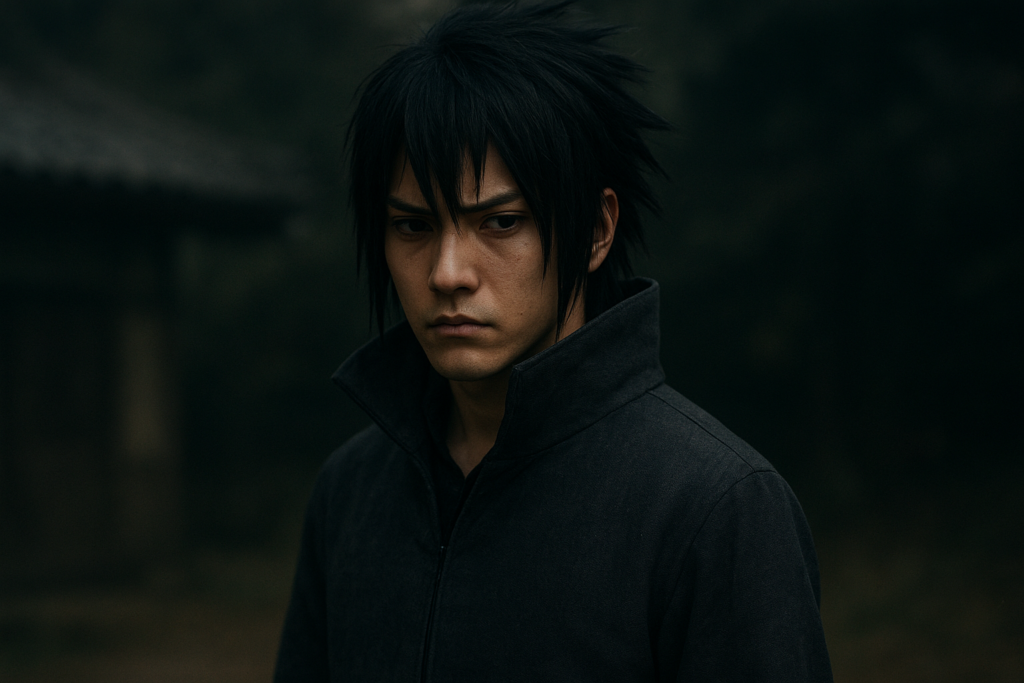
Naruto’s primary function within his story is that of the catalytic agent. His very existence and his core motivation—to be acknowledged—disrupt the status quo of his village and the shinobi world at large. The narrative is fundamentally structured around his internal conflict: a desperate struggle between a profound fear of abandonment and an unwavering belief in the possibility of connection. This conflict manifests externally in his relationships, where he consistently challenges the cynicism and hatred of others, from Sasuke’s quest for vengeance to Nagato’s cycle of pain. His dynamics are not about winning battles in a conventional sense but about winning ideological and emotional conversions. He doesn’t just defeat antagonists; he forces them to confront their own trauma and often offers them a path to redemption they could not envision, thereby redefining the narrative’s core themes of peace and conflict.
Archetypal Analysis
Naruto begins his journey as a clear embodiment of the Orphan archetype. Cast out and bearing the stigma of the Nine-Tails Fox, he represents the abandoned child who must learn self-reliance in a hostile world. However, his trajectory powerfully subverts the typical Orphan’s path toward cynical independence. Instead, he evolves into the ultimate Hero, not merely through physical prowess, but through his alignment with the Lover archetype. His “ninja way” is rooted in empathy, loyalty, and a stubborn, loving connection to others. This fusion creates a unique archetypal figure: the Empathic Hero. His greatest power, the Talk-no-Jutsu, is narratively symbolic of this archetype—his victories are achieved through understanding and emotional resonance as much as through force, challenging the traditional warrior-hero model.
Psychological Profile: Big Five Personality Traits
Openness
Scale: high
Naruto exhibits a high degree of openness, particularly in his approach to experiences and people. While not an intellectual in the traditional sense, he is incredibly open to new ideas about human connection and conflict resolution. He consistently rejects rigid, traditional doctrines of hatred and cyclic vengeance, proposing novel, empathy-based solutions that others deem naive. His willingness to understand his enemies, to see the person behind the villain, demonstrates a profound cognitive flexibility and imagination in the realm of interpersonal relationships. This trait is the bedrock of his ability to break generational curses and form bonds where none existed.
Conscientiousness
Scale: moderate to high
Naruto’s conscientiousness is uniquely channeled. In his youth, he scores low in areas like discipline and order, as seen in his chaotic living space and poor academic performance. However, he displays an exceptionally high level of achievement striving and persistence toward his deeply held goals. His personality development is marked by a relentless work ethic in training, a fierce dedication to his promises, and an unwavering commitment to his role as Hokage. This suggests a conscientiousness that is intensely goal-oriented rather than rule-oriented, driven by internal vows rather than external structures.
Extraversion
Scale: very high
Extraversion is Naruto’s most dominant and visible trait. He is highly energetic, talkative, assertive, and seeks stimulation through social interaction. His loud demeanor and need for attention initially stem from a place of profound loneliness, a classic case of compensatory behavior. However, this evolves into a genuine, positive source of energy that inspires and motivates those around him. He thrives in teams, draws strength from his bonds, and is characterized by pronounced positive emotionality. His extraversion is not superficial; it is the active, outward expression of his core belief in the power of human connection.
Agreeableness
Scale: high
Despite his combative profession, Naruto possesses a remarkably high level of agreeableness, especially in the facets of trust and altruism. His default stance is to trust and forgive, even in the face of betrayal. His motivation and drive are intrinsically tied to helping others and securing their happiness, often placing their needs above his own. This is not a lack of assertiveness—he is fiercely stubborn—but a profound prosocial orientation. His capacity for empathy and compassion is his defining psychological and narrative weapon, directly opposing the cynicism and distrust that fuel the world’s conflicts.
Neuroticism
Scale: low (in maturity)
Naruto’s relationship with neuroticism shows significant character growth. In childhood, he exhibited high levels of vulnerability, specifically to feelings of sadness, loneliness, and anxiety about rejection. However, a key aspect of his maturation is the dramatic lowering of his neuroticism. He develops exceptional emotional resilience. While he feels emotions deeply, he is not paralyzed by them. He processes anger, grief, and fear and channels them into determined action rather than volatility or withdrawal. His steady, optimistic demeanor in the face of catastrophic threats points to a well-managed, low-neuroticism profile in his adult life, showcasing a hard-won emotional stability.
Authorial Perspective
From an analytical standpoint, what I find most compelling about Naruto Uzumaki is the narrative’s commitment to making his greatest psychological strength—his agreeableness and openness—the actual source of his power. In a genre often preoccupied with cooler, more detached anti-heroes, Naruto’s unapologetic emotionality and trust are framed not as weaknesses to be outgrown, but as revolutionary forces. The story validates a psychological profile that prioritizes emotional intelligence and persistent prosocial behavior as tools for systemic change. It’s a bold argument that in a broken world, the “soft” traits might be the hardest and most effective to cultivate.
Conclusion
The enduring resonance of Naruto Uzumaki lies in the perfect synergy between his relatable psychological wounds and his aspirational personality development. He is a character whose internal landscape—marked by high extraversion, openness, and agreeableness—directly dictates the narrative’s external conflict. He transforms from an archetypal Orphan into an Empathic Hero, proving that core personality traits, when guided by unwavering will, can redefine both personal destiny and the world. His journey is a testament to the idea that our deepest needs for recognition and connection, far from being liabilities, can be forged into the most powerful tools for leadership and healing. He remains iconic because he embodies the struggle to turn profound lack into even more profound abundance, a psychological triumph that continues to inspire.